
Cynosure Lutronic's XERF monopolar radiofrequency platform is emerging as a leading choice across North American practices, with rapid adoption in body contouring and skin tightening applications. Monopolar RF delivers energy deeper into the dermis and subcutaneous tissue than fractional RF, making it effective for larger treatment areas and cellulite reduction—key drivers in the post-weight-loss body-contouring boom.
Devices & Tech
Cynosure Lutronic's XERF Gains Traction as Monopolar RF Leader — Market Share Shift in Body Contouring
Monopolar RF platform accelerates adoption; competitive pressure on fractional RF economics.
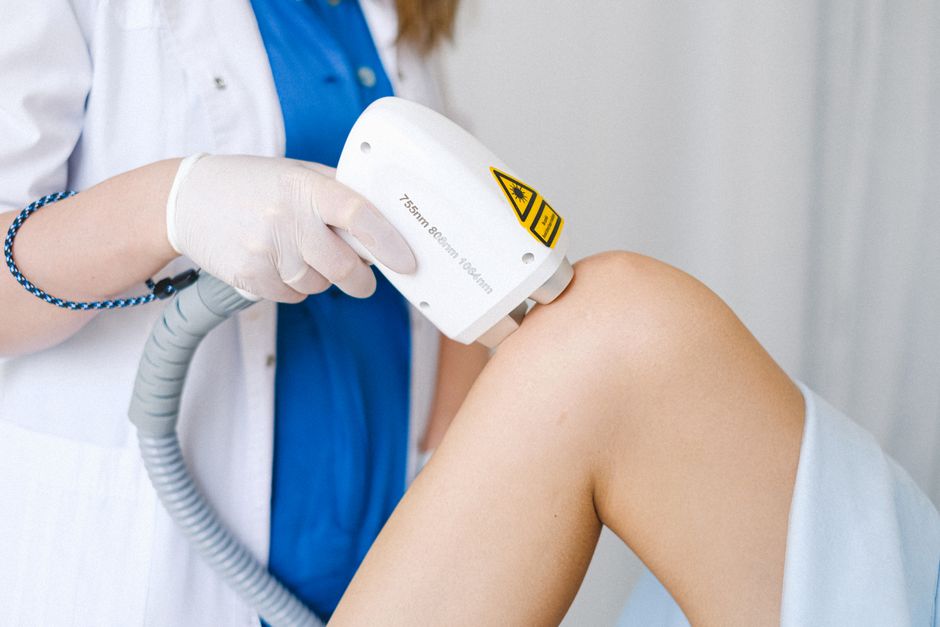
Monopolar RF's deeper penetration and speed advantage drive adoption in body-contouring practices.
The XERF's competitive advantage lies in treatment speed and depth penetration; monopolar systems typically require fewer passes and shorter session times than fractional RF devices, improving per-patient economics. However, the market is crowded: InMode's Lumenis platforms, Candela's Cutera systems, and others compete on similar mechanics. For practices evaluating capital expenditure, the decision hinges on patient demand (body contouring vs. facial rejuvenation), treatment volume, and lease vs. purchase economics. XERF's momentum suggests practices are prioritizing efficiency and depth over fractional RF's precision for body work.
Source: original report ↗
Frequently asked questions
What is the difference between monopolar RF and fractional RF for body contouring?
Monopolar RF delivers energy deeper into the dermis and subcutaneous tissue, making it more effective for larger treatment areas and cellulite reduction. Fractional RF offers greater precision but requires more passes and longer session times, making monopolar systems more efficient for body work.
Why is Cynosure Lutronic's XERF gaining market share in medspa body contouring?
XERF's monopolar RF platform requires fewer passes and shorter session times than fractional alternatives, improving per-patient economics and treatment speed. This efficiency advantage resonates with practices focused on the post-weight-loss body-contouring boom.
What should I consider when choosing between monopolar and fractional RF equipment?
Evaluate your patient demand (body contouring vs. facial rejuvenation), treatment volume capacity, and lease vs. purchase economics. Monopolar RF excels in body work and efficiency; fractional RF is better for facial precision applications.
Who else makes monopolar RF systems competing with XERF?
InMode's Lumenis platforms and Candela's Cutera systems are major competitors offering similar monopolar RF mechanics. The market remains crowded, so differentiation comes down to treatment outcomes, practice integration, and capital structure.
How does monopolar RF treat cellulite compared to other technologies?
Monopolar RF penetrates deeper into subcutaneous tissue where cellulite originates, making it particularly effective for cellulite reduction. This depth advantage, combined with faster treatment times, positions it as a preferred choice for cellulite-focused body contouring practices.
Free alerts
Free: recall & rule-change alerts for your practice.
Get the recalls and state-law changes that hit your treatment room, in your inbox — free. Unsubscribe in one click.
Free · weekly · unsubscribe anytime. Privacy.
Stay three moves ahead of every practice in your market.
Knowing it happened is table stakes. Seasoned Expat Pro hands you the play — what each move means for your margins, your license, and your patients, and exactly what to do about it — in a two-minute brief, twice a week. The owners who read it never get blindsided.
Get the edge · $20/moJoin the owners who run ahead of the industry. Cancel anytime, one click.