
Hugel, the South Korean biopharmaceutical company behind Botulax (a botulinum toxin approved in multiple markets outside the U.S.), has detailed its manufacturing process, which yields approximately 25,000 toxin vials from a single thumb-sized production tube. The efficiency reflects advances in fermentation, purification, and fill-finish processes that have matured over decades of toxin production.
Devices & Tech
Hugel's Toxin Manufacturing Scales to 25,000 Vials From a Thumb-Sized Tube — Supply Chain Efficiency
South Korean manufacturer demonstrates production scale; implications for global neuromodulator supply.
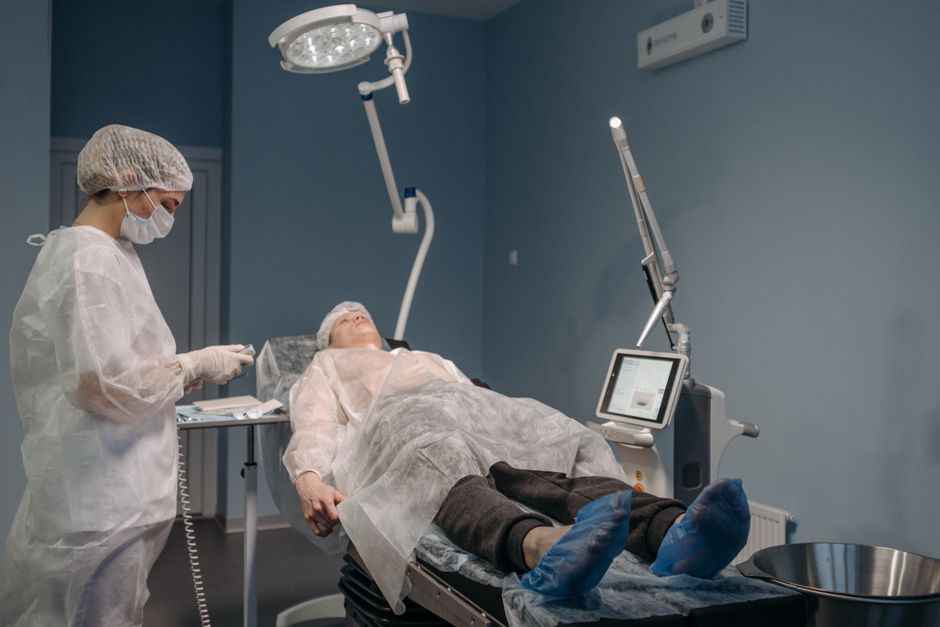
Hugel's manufacturing process yields 25,000 toxin vials from a single production tube.
While Hugel's products are not yet FDA-approved for the U.S. market, the company's manufacturing prowess underscores the global capacity for botulinum toxin production and the potential for new entrants to challenge Allergan's and Evolus' market share if regulatory pathways open. For U.S. practices, this signals that supply constraints are not a structural barrier to new competitors; the bottleneck is regulatory approval and market access. As relabotulinum (Galderma) and other candidates move through FDA review, manufacturing scale is not a limiting factor. The real competition will be on clinical differentiation, onset/duration profiles, and rebate aggressiveness.
Source: original report ↗
Frequently asked questions
How many vials can be produced from one batch of botulinum toxin?
Hugel's manufacturing process yields approximately 25,000 toxin vials from a single thumb-sized production tube. This demonstrates the high efficiency of modern fermentation and purification techniques in toxin production.
Is Hugel's Botulax available in the United States?
No, Hugel's Botulax is not yet FDA-approved for the U.S. market, though it is approved in multiple markets outside the United States. The regulatory pathway remains the primary barrier to market entry for new neuromodulator competitors.
What is limiting new botulinum toxin competitors from entering the U.S. market?
Manufacturing capacity is not the limiting factor—companies like Hugel have demonstrated they can produce at scale. The real bottleneck is FDA regulatory approval and market access; once cleared, manufacturing supply is not a structural constraint.
Will new botulinum toxin brands compete on price or clinical differences?
Competition will center on clinical differentiation, onset and duration profiles, and rebate aggressiveness rather than manufacturing capacity. Candidates like relabotulinum (Galderma) moving through FDA review will compete primarily on these factors, not supply constraints.
What does Hugel's production efficiency mean for neuromodulator supply shortages?
Hugel's ability to produce 25,000 vials from a single tube indicates global manufacturing capacity is robust and not a structural barrier to supply. Any future supply constraints would stem from regulatory limitations or market consolidation, not production capability.
Free alerts
Free: recall & rule-change alerts for your practice.
Get the recalls and state-law changes that hit your treatment room, in your inbox — free. Unsubscribe in one click.
Free · weekly · unsubscribe anytime. Privacy.
Stay three moves ahead of every practice in your market.
Knowing it happened is table stakes. Seasoned Expat Pro hands you the play — what each move means for your margins, your license, and your patients, and exactly what to do about it — in a two-minute brief, twice a week. The owners who read it never get blindsided.
Get the edge · $20/moJoin the owners who run ahead of the industry. Cancel anytime, one click.