
Morpheus8 is an RF microneedling platform that delivers radiofrequency energy through an array of insulated microneedles to the dermis and subcutaneous tissue, triggering collagen contraction and neocollagenesis. Unlike surface-only microneedling or non-invasive RF, Morpheus8 penetrates to 4mm depth (adjustable), allowing the RF to work in the deeper dermis and subcutaneous layer where structural laxity and volume loss originate. The device is cleared by the FDA for skin resurfacing and tightening; it's manufactured by Inmode, a publicly traded Israeli company with a strong installed base in U.S. aesthetic practices.
Devices & Tech
What Is Morpheus8? RF Microneedling Technology, Clinical Applications, and Practice Economics
Morpheus8 combines radiofrequency energy with microneedling to drive collagen remodeling at depth. Here's what owners need to know about clinical outcomes, patient positioning, and unit economics.
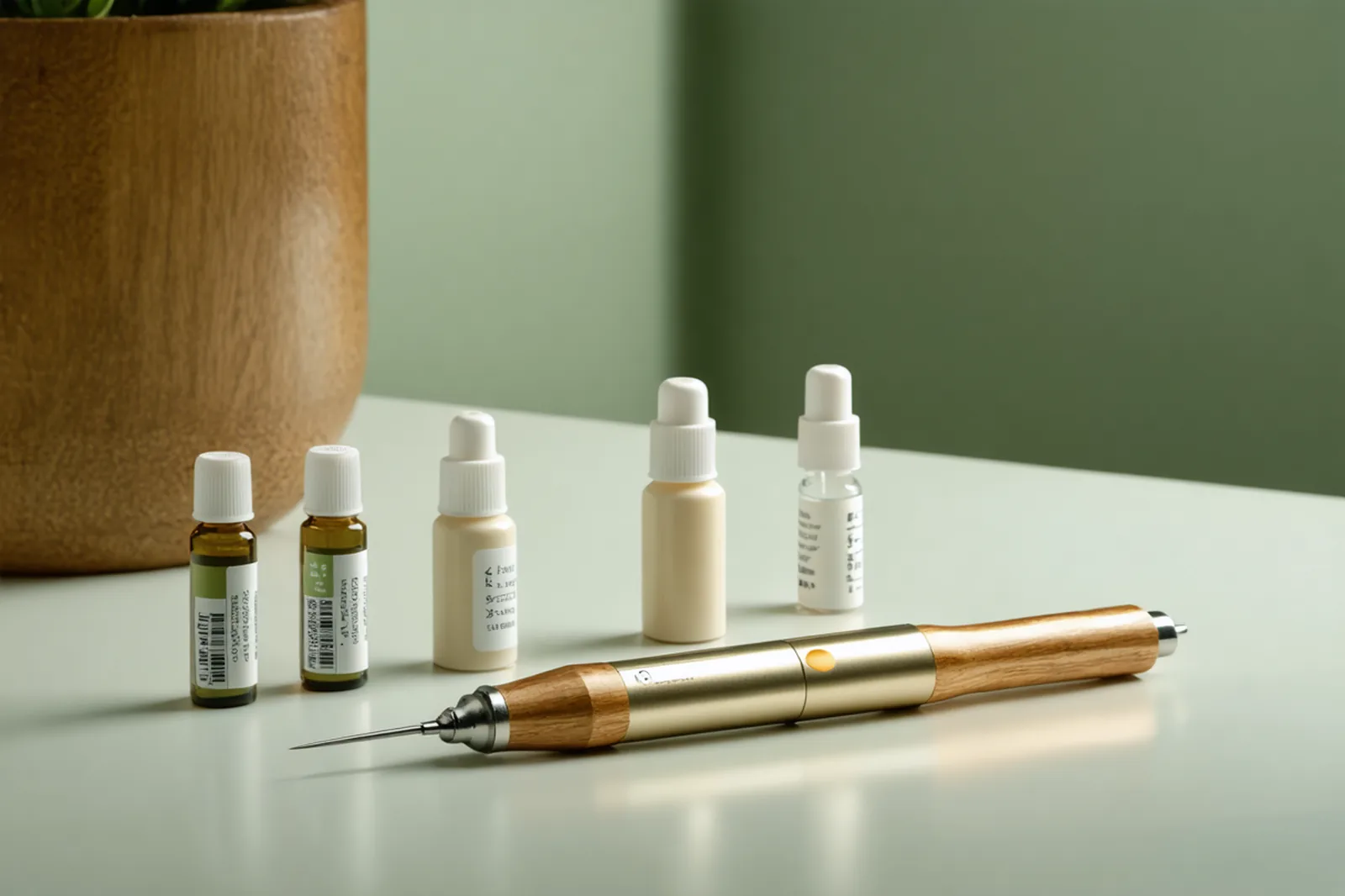
At $1,200 average revenue per treatment and $100,000 device cost, break-even is roughly 85 treatments—achievable in 5–10 months at 2–4 sessions weekly.
The handpiece contains 25 gold-plated, insulated microneedles arranged in a 5×5 grid. When activated, the needles penetrate to the operator-selected depth (typically 2–4mm), and RF energy is delivered at the needle tip. The insulation protects the epidermis and dermis above the target zone, concentrating thermal injury and collagen denaturation in the deeper layers. Treatment is followed by an inflammatory cascade that drives fibroblast activation and organized collagen deposition over 8–12 weeks. Patients experience immediate tightening from collagen contraction and progressive improvement as new collagen matures.
Clinical Applications and Patient Selection
Morpheus8 is positioned for:
- Lower-face and jawline definition: tightening jowls, improving marionette lines, and enhancing mandibular contour without surgery
- Skin laxity: mild to moderate sagging on face, neck, décolletage, and body (arms, abdomen, thighs)
- Texture and scarring: acne scars, post-surgical irregularities, and overall skin quality
- Combination with injectables: RF microneedling pairs well with neuromodulators and fillers; many practices use it as a "lift" alternative or adjunct to volumization
Ideal candidates are those with realistic expectations, Fitzpatrick I–IV skin (though darker skin types can be treated with conservative settings and longer healing intervals), and willingness to tolerate 5–7 days of visible erythema and edema post-treatment.
Practice Economics and ROI
Morpheus8 device acquisition typically ranges from $80,000–$120,000 depending on bundle and financing terms. Inmode offers leasing and outright purchase; many practices finance over 3–5 years. Per-treatment revenue varies by geography and positioning but commonly runs $800–$2,000 per session. Most patients require 1–3 sessions spaced 4–6 weeks apart for optimal results, with annual touch-ups.
Break-even math: at $1,200 average revenue per treatment and $100,000 device cost, you need roughly 85 treatments to cover capital. In a mid-sized practice running 2–4 Morpheus8 sessions per week, that's 5–10 months. After break-even, gross margin is high (minimal consumables; needles are reusable or low-cost cartridges). The real driver is patient acquisition and positioning—whether you market it as a non-surgical lift, a skin-quality upgrade, or a complement to toxin and filler.
Competitive Landscape
Morpheus8 is the market leader in RF microneedling, but competitors exist: Fractora (Cutera), Secret RF (Cutera), and Scarlet RF (Cutera) all offer similar depth and RF delivery. Morpheus8's advantage is brand recognition, a large installed base, strong clinical data, and Inmode's reputation for durability and support. Pricing and outcomes are comparable; differentiation often comes down to practice marketing and patient experience.
Key Considerations for Owners
- Regulatory: Morpheus8 is FDA-cleared; no special licensing is required beyond standard state scope-of-practice rules. Nurses, PAs, and physicians can operate it under appropriate supervision.
- Training: Inmode provides certification; most practices complete training in 1–2 days.
- Consumables: Needles are the main variable cost (roughly $20–$50 per treatment, depending on cartridge type).
- Patient expectations: Set realistic timelines; results peak at 12 weeks, not immediately. Downtime messaging is critical.
Morpheus8 is a solid revenue driver for practices seeking to expand beyond injectables into energy-based devices. The clinical outcomes are real, the patient demand is growing, and the unit economics support a reasonable payback period in any practice with consistent patient flow.
Frequently asked questions
How much does Morpheus8 cost per treatment?
Morpheus8 treatments typically range from $800–$2,000 per session depending on geography and practice positioning. Most patients need 1–3 sessions spaced 4–6 weeks apart, with annual touch-ups recommended for maintenance.
How long does it take to break even on a Morpheus8 device?
At an average revenue of $1,200 per treatment and a device cost of $100,000, you need approximately 85 treatments to break even. A mid-sized practice running 2–4 sessions per week typically reaches break-even in 5–10 months.
What depth does Morpheus8 penetrate and why does it matter?
Morpheus8 penetrates to 4mm depth (adjustable, typically 2–4mm), reaching the deeper dermis and subcutaneous layer where structural laxity and volume loss originate. This depth advantage over surface-only microneedling or non-invasive RF allows for more significant collagen remodeling and tightening results.
How long does Morpheus8 recovery take?
Patients experience 5–7 days of visible erythema and edema post-treatment. Immediate tightening occurs from collagen contraction, with progressive improvement over 8–12 weeks as new collagen matures.
Can Morpheus8 be used on darker skin types?
Yes, Morpheus8 can treat darker skin types (Fitzpatrick I–IV), but requires conservative settings and longer healing intervals to minimize risk. Ideal candidates have realistic expectations and understand the extended recovery timeline.
What's the difference between Morpheus8 and other RF microneedling devices?
Competitors like Fractora, Secret RF, and Scarlet RF (all by Cutera) offer similar depth and RF delivery, but Morpheus8 leads the market with stronger brand recognition, larger installed base, and robust clinical data. Pricing and outcomes are comparable; differentiation typically comes down to practice marketing and patient experience.
Free alerts
Free: recall & rule-change alerts for your practice.
Get the recalls and state-law changes that hit your treatment room, in your inbox — free. Unsubscribe in one click.
Free · weekly · unsubscribe anytime. Privacy.
Stay three moves ahead of every practice in your market.
Knowing it happened is table stakes. Seasoned Expat Pro hands you the play — what each move means for your margins, your license, and your patients, and exactly what to do about it — in a two-minute brief, twice a week. The owners who read it never get blindsided.
Get the edge · $20/moJoin the owners who run ahead of the industry. Cancel anytime, one click.